“botanical gardens” search results (200)

Martinique, I.
Martinique is a place to be reckoned with in coffee history. Like Guadeloupe, Martinique is an overseas territory of France. It is located in the northernmost part of the Windward Islands of the Antilles. It is the largest, volcanic and picturesque island in the Windward Islands. This is a strange island, where the residents are generally very tall, even if young men are not tall.
2014-09-02 Martinique I.
Hainan organized a delegation to participate in the 2014 Guangzhou Travel Expo Coffee booth is very popular.
Hainan led a delegation to participate in the 2014 China (Guangdong) International Tourism Industry Expo held in Guangzhou from August 29 to 31. (photo by correspondent Cai Yun) Hainan led a delegation to participate in the 2014 China (Guangdong) International Tourism Industry Expo held in Guangzhou from August 29 to 31. The picture shows Guangzhou citizens scrambling to taste Chengmai coffee. (photo by correspondent Cai Yun) Nanhai net, Guangzhou, August 30 (Nanhai net reporter Huang Dan)
2014-08-30 Coffee News Hainan Coffee Guangzhou Tourism Expo
Come to Yunnan to enjoy a slow life and a quiet afternoon accompanied by coffee and books in the sun
To travel to Yunnan, no matter how many days you plan, urgent or slow, please slow down your pace and do as the Romans do and live slowly like the people of Yunnan. Yunnan is too heavy to enjoy the beautiful scenery. Don't have such a hasty plan, it doesn't matter where you go. In terms of natural jet lag, the sunrise and sunset in Yunnan is nearly one and a half smaller than that in Beijing and Shanghai.
2015-12-25 Yunnan enjoy slow life light coffee books companionship quiet noon
Coffee Chronicle the Historical Development of Fine Coffee
In the 6th century, on the plateau of Abyssinia, a shepherd named Caldai drove goats to the new prairie for grazing, and accidentally found coffee fruit due to the accidental feeding of goats. In the early 10th century, Dr. Daggers, a famous doctor in Iraq, admitted and documented the pharmacological effects of coffee. This is one of the earliest valuable medical records of coffee. In the 11th century, the Arabs invented the whole
2015-06-13 Coffee memorabilia boutique history development 6th century Bizi Nigeria plateau one
Dirkley stole coffee seedlings and finally cultivated them successfully.
In ○, Deckley, a naval officer who returned to Paris on holiday from the French dependent island of Martinique, learned that the French coffee transplant industry was on the rocks. Based on his strong patriotism and his understanding of the soil and water of Martinique, he decided to volunteer to transplant the descendants of the Java coffee mother tree donated by the Netherlands to the dependency of Central and South America to expand the French coffee cultivation industry, so that the coffee market will not continue to be subject to the Ottoman Empire and the Netherlands.
2015-04-02 Klee Coffee Miao Hui Dharma end cultivation success 17 France dependent Martin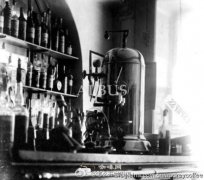
Coffee Chronicle the Development of Coffee History and Culture
In the 6th century, on the plateau of Abyssinia, a shepherd named Caldai drove goats to the new prairie for grazing, and accidentally found coffee fruit due to the accidental feeding of goats. In the early 10th century, Dr. Daggers, a famous doctor in Iraq, admitted and documented the pharmacological effects of coffee. This is one of the earliest valuable medical records of coffee. In the 11th century, the Arabs invented the whole
2015-08-19 Coffee Chronicle of events Development course History and Culture 6th Century Bizi Nigeria Plateau
Yunnan Coffee Plantation in Spring all year round
Coffee bean flowers are also very beautiful, dark green leaves on the branches, with a strong aroma of white flowers, after a few months, bear cherry-like red fruit. Yunnan coffee belongs to Arabica tree species, so it is self-pollinated without insects (insects are only interested in the flowers of Robster trees). Coffee
2016-07-11 Spring all year round Yunnan coffee plantations introductions manors coffee beans flowers too
Introduction to Coffee trees
First, the planting and regional distribution of coffee trees. Botanically, coffee trees belong to the subgenus Rubiaceae, but coffee beans, commonly known as coffee beans, are actually the seeds of the fruit of coffee trees, just because they are shaped like beans, so they are called coffee beans. Climate is the decisive factor for coffee cultivation. Coffee trees are only suitable for growing in the tropics or subtropics, so the latitude between south and north is between 25 degrees.
2014-11-07 Coffee knowledge coffee common sense coffee tree
(transfer) Chronicle of Coffee Development
The sixth Century Chronicle of Coffee Development took place in the Abyssinia Plateau. One day, a shepherd named Caldai drove goats to the new prairie for grazing. Because the goats accidentally ate a plant, they accidentally found coffee fruit. At the beginning of the 10th century, Dr. Daggers, a famous doctor in Iraq, admitted and documented the pharmacological effects of coffee. This is one of the earliest about coffee.
2014-09-10 Coffee Development Coffee Encyclopedia
Introduction to the basic knowledge of Fine Coffee
First, the planting and regional distribution of coffee trees. Botanically, coffee trees belong to the subgenus Rubiaceae, but coffee beans, commonly known as coffee beans, are actually the seeds of the fruit of coffee trees, just because they are shaped like beans, so they are called coffee beans. Climate is the decisive factor for coffee cultivation. Coffee trees are only suitable for growing in the tropics or subtropics, so the latitude between south and north is between 25 degrees.
2015-04-22 Boutique coffee basics common sense introduction planting region distribution botany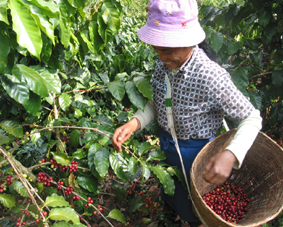
Introduction to Chinese Coffee Plantation: exploring the Secret Coffee Plantation in Yunnan to decipher the Magic Fruit
Yunnan Coffee Plantation article: Yanxia Editor: milkshake in southern China, Yunnan, Taiwan, there is such a plantation, there are many beautiful, gorgeous red fruits, like cherries, beautiful seems to have some magic, can not help but pick some seemingly ripe fruit, taste, the seemingly attractive red fruit tastes like that
2015-12-16 China Coffee Plantation introduction Secret Exploration Yunnan decryption Magic Fruit
World Coffee Development History Chronicle of Coffee Development
Memorabilia of the 6th century took place in the Abyssinia Plateau, when a shepherd named Caldai drove goats to the new prairie for grazing, and accidentally found coffee fruit because the goats ate a plant by mistake. At the beginning of the 10th century, Dr. Daggers, a famous doctor in Iraq, admitted and documented the pharmacological effects of coffee. This is one of the earliest valuable medical records of coffee.
2015-01-31 World Coffee Development History Chronicle of events 6th Century
History of Coffee Culture Development Chronicle of Coffee Development
Memorabilia of the 6th century took place in the Abyssinia Plateau, when a shepherd named Caldai drove goats to the new prairie for grazing, and accidentally found coffee fruit because the goats ate a plant by mistake. At the beginning of the 10th century, Dr. Daggers, a famous doctor in Iraq, admitted and documented the pharmacological effects of coffee. This is one of the earliest valuable medical records of coffee.
2015-03-19 Coffee cultural history development history memorabilia 6th century born in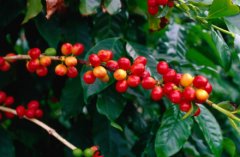
A Chronicle of Coffee Development History of Coffee Culture
Memorabilia of the 6th century took place in the Abyssinia Plateau, when a shepherd named Caldai drove goats to the new prairie for grazing, and accidentally found coffee fruit because the goats ate a plant by mistake. At the beginning of the 10th century, Dr. Daggers, a famous doctor in Iraq, admitted and documented the pharmacological effects of coffee. This is one of the earliest valuable medical records of coffee.
2015-05-08 Coffee History of Development Chronicle of events Coffee Culture 6th Century born in Bishi
The Historical Origin of Coffee
The word coffee comes from the Greek word Kaweh, which means strength and enthusiasm. Coffee tree is an evergreen shrub of Capsicaceae. Coffee for daily consumption is made of coffee beans combined with a variety of cooking utensils, and coffee beans refer to the fruit of coffee trees. The nuts are baked by a proper baking method. Legends about the origin of coffee vary, but mostly because of its absurdity
2014-07-31 Coffee History Origin the word Coffee comes from Greek Kaweh meaning
General knowledge of Fine Coffee Culture Chronicle of Coffee Development History
Memorabilia of the 6th century took place in the Abyssinia Plateau, when a shepherd named Caldai drove goats to the new prairie for grazing, and accidentally found coffee fruit because the goats ate a plant by mistake. At the beginning of the 10th century, Dr. Daggers, a famous doctor in Iraq, admitted and documented the pharmacological effects of coffee. This is one of the earliest valuable medical records of coffee.
2014-12-12 Boutique coffee culture common sense coffee development history memorabilia 6th century
Indian Coffee Flavor description Grinding characteristics Brand taste Manor Fine Coffee introduction
In the 19th century, American anthropologist Morton and Argentine paleontologist Amegino put forward the idea that Indians originated in America. However, this theory is simply untenable, because until now, no ape-man fossils representing human evolution have been found in the American continent, and archaeological data have proved that there are only monkeys and no apes in America. So where did the Indians come from?
2016-10-11 Indian coffee flavor description grinding characteristics brand taste manor boutique
Introduction to Coffee Culture Coffee Collection
Africa is the hometown of coffee. Coffee trees are probably the coffee culture found in Ethiopia's KAFFA province. Later, batches of slaves were sold from Africa to Yemen and the Arabian Peninsula, and coffee was taken everywhere along the way. To be sure, Yemen started growing coffee in the 15th century or earlier. Although the Arabs had at that time
2016-05-29 Coffee culture coffee Daquan introduction Africa hometown probably is in
Coffee tree culture, origin legends, main ingredients
The main ingredient editors the fiber of fiber raw beans will be carbonized after baking and combine with caramel to form the hue of coffee. The main source of protein calories, the proportion is not high. Most of the protein in coffee powder will not dissolve out when brewing coffee, so the intake is limited. Sugar coffee raw beans contain about 8% sugar, most of which are converted into caramel after baking.
2016-06-03 Coffee culture origin legend main ingredient editor fiber
Sour, sweet and mellow coffee flavor description of Atlanta Manor Coffee in Jamaica
The design of the Jamaican national emblem shows a pair of male and female Arawak (indigenous Indians), the male holding the bow and the female holding a basket of pineapples, standing on both sides of the shield; the shield is painted with a Red Cross inlaid with five golden pineapples, the shield is decorated with crocodiles perched on the crown and cloak, and the yellow ribbon reads the Jamaican national motto: the air of the city is clean and the road is complete.
2016-09-30 Jamaica Art Grand Manor Coffee Flavor description Grinding taste introduction